The Evolution of Women’s Shapewear: From Corsets to Modern Designs
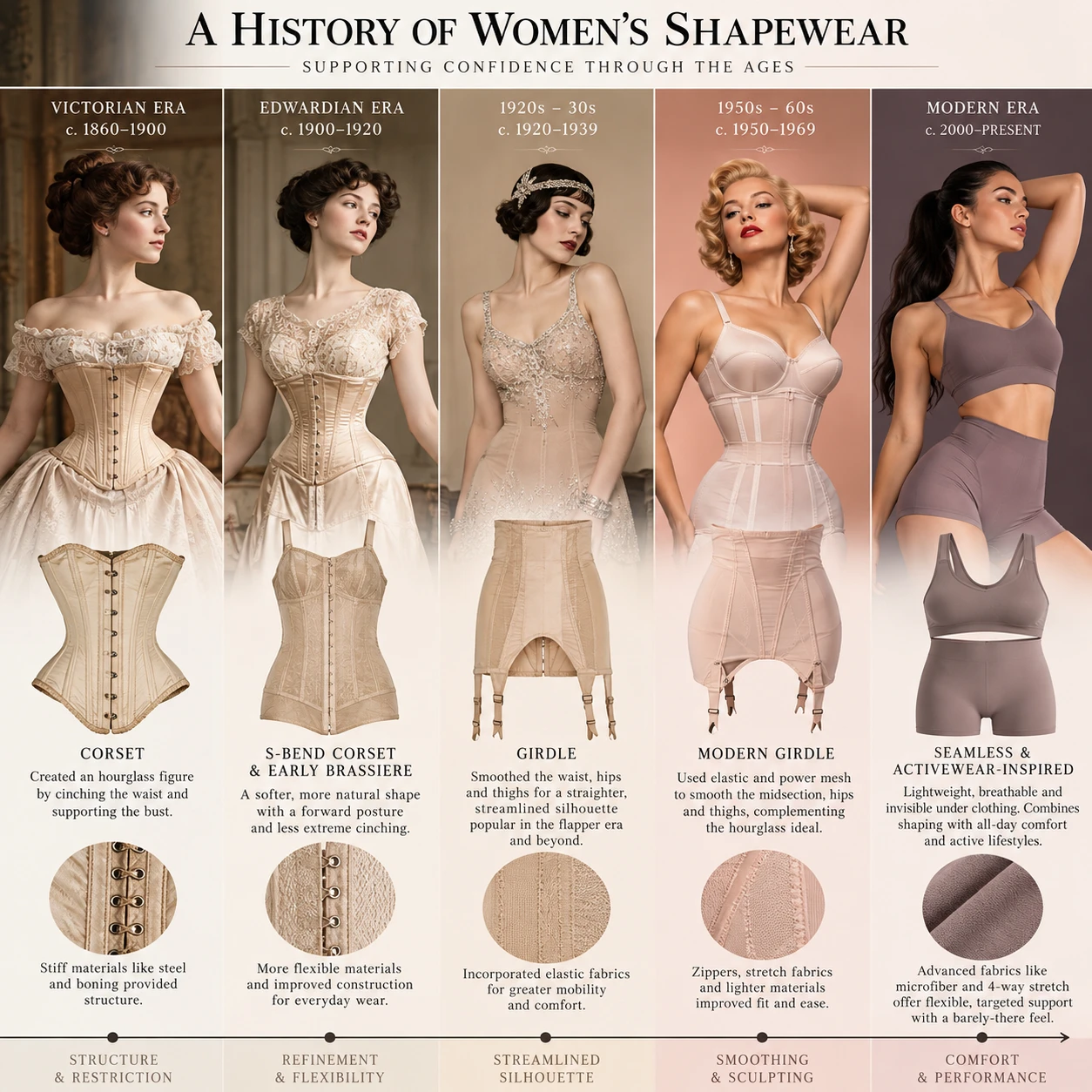
Women’s shapewear has changed alongside fashion, technology, and ideas about comfort. Once built around rigid corsets and tightly laced structure, today’s foundation garments often use stretch fabrics, lighter construction, and designs made to move with the wearer.
That history matters when shopping now. Understanding how body shaping garments developed can help you choose shapewear for a particular outfit or activity, without expecting it to transform your body or work like medical support.
What Shapewear Was Designed to Do
Shapewear is designed to create a smoother base beneath clothing and influence how fabric sits on the body. Its role has always been shaped by the fashions worn over it, though modern designs usually put more emphasis on comfort and movement.
Historically, foundation garments helped support a fashionable silhouette: shaping the waist, lifting or supporting the bust, or smoothing the hips and abdomen. They were part of getting dressed, much like petticoats or slips, rather than standalone clothing. The ideal silhouette changed over time, so the garments worn underneath changed with it.
Today, shapewear ranges from light smoothing shorts to firmer compression wear. These garments can reduce visible lines under a close-fitting dress or help a top sit more evenly, but they do not permanently alter body shape. Think of shapewear as a clothing layer: the right piece supports the outfit, while the wrong one may bunch, roll, or feel restrictive.
There is no single level of shaping that suits every person or occasion. A barely-there layer may work for daily wear, while a firmer piece may suit a specific formal outfit. The useful question is not how much compression a garment offers, but whether its construction meets your needs comfortably.
Corsets and the Era of Structured Shaping
Corsets shaped the torso through a structured fit, commonly using boning and lacing to control how closely the garment held the body. In Victorian fashion, a corset helped create the waist-and-bust silhouette expected beneath many dresses.
Construction varied by period and wearer, but classic corsets often included a firm outer fabric, shaped panels, and stiffening materials such as baleen or steel. Lacing at the back allowed the wearer to adjust the fit, while the garment’s structured design limited flexibility compared with modern stretch shapewear.
It is easy to view every historical corset as identical, but styles, purposes, and degrees of restriction differed. Corsets also changed as clothing fashions changed. They were specialized foundation garments, not simply early versions of today’s smoothing shorts. Their defined structure could help clothes achieve a particular shape, but it often demanded more effort to put on and less freedom of movement.
The key contrast is construction: corsets relied on firm panels, boning, and lacing; contemporary shapewear generally uses elastic materials to distribute pressure across a larger area. That shift reflects a different priority. Instead of building a fixed framework, many modern pieces aim to create a smooth line while allowing the wearer to sit, walk, and bend.
From Corsets to Girdles and Everyday Foundations
Girdles and other foundation garments offered a less rigid way to shape the torso beneath changing fashions. They brought body shaping into a more everyday format, especially as clothing silhouettes and materials evolved.
Unlike a traditional corset, a girdle typically used elasticized fabric to hold and smooth the waist, hips, or abdomen. Designs varied, but they were often worn beneath dresses and skirts. As fashion moved between defined waists, straighter silhouettes, and fitted clothing, foundation garments adapted to support the desired look.
These garments still prioritized shaping, and “everyday” did not always mean easy or comfortable. Some girdles could feel tight or warm, and the coverage and fastening systems might not suit every outfit. Yet their more flexible construction was an important step toward garments that relied less on rigid structure.
As women’s clothing became more varied, so did the options beneath it. Slips, control briefs, camisoles, and other foundations could address different needs: reducing friction, smoothing a seam, or providing coverage. Modern shoppers have inherited that practical variety. Rather than choosing one all-purpose foundation garment, you can match the cut and coverage to the clothing you plan to wear.
How Materials and Design Changed Shapewear
Stretch fabrics and lighter construction made shapewear more adaptable to the body. Instead of depending mainly on rigid panels and lacing, modern designs use elastic materials and carefully placed seams to create different levels of hold.
Fabric blends containing elastane or similar stretch fibers can expand with movement and recover their shape after wear. Designers also use varied fabric weights and knit structures across a single garment. A waistband may offer a more secure hold, while a softer panel elsewhere helps reduce pressure or improve comfort.
Seamless construction is another major development. Knitting a garment with fewer bulky seams can help it sit more discreetly beneath fitted clothes. Seamless does not mean invisible in every outfit, though: fabric thickness, color, edges, and the garment’s fit all affect whether lines show through.
These advances involve trade-offs. Firm compression can provide a more defined, held-in feel, but it may be less comfortable for long periods or during active movement. Lightweight stretch can feel easier to wear, yet offer less control beneath a very fitted outfit. A useful way to assess a piece is to check three things: how the fabric stretches, where it applies pressure, and whether the edges stay in place when you move.
Modern Shapewear Meets Activewear
Modern shapewear and activewear overlap in their use of stretch, close-fitting cuts, and movement-conscious construction. Activewear-inspired shapewear often aims to smooth and stay in place while allowing everyday activities such as walking, sitting, and bending.
Some designs borrow features from leggings, bike shorts, and performance tops: wide waistbands, breathable panels, flat seams, and flexible fabric. These details can make a garment feel less like a rigid foundation layer and more like a comfortable part of an outfit. Depending on its design, a piece might work beneath a dress, under loose clothing, or as visible clothing in a casual look.
Still, shapewear is not automatically suitable for exercise. A garment made to smooth beneath clothing may not provide the support, moisture management, or durability needed for a workout. If you plan to train in a piece, check that it is designed and marketed for active use, and choose a fit that allows full movement without pinching or slipping.
For a shopper, the practical distinction is purpose. Shapewear prioritizes a smooth base and targeted hold; activewear prioritizes movement and performance during exercise. Some garments bridge the two, but the label alone does not guarantee that a piece will work for both. Consider the fabric, intended activity, coverage, and how it feels through a full range of motion.
Choosing Shapewear for Comfort and Use
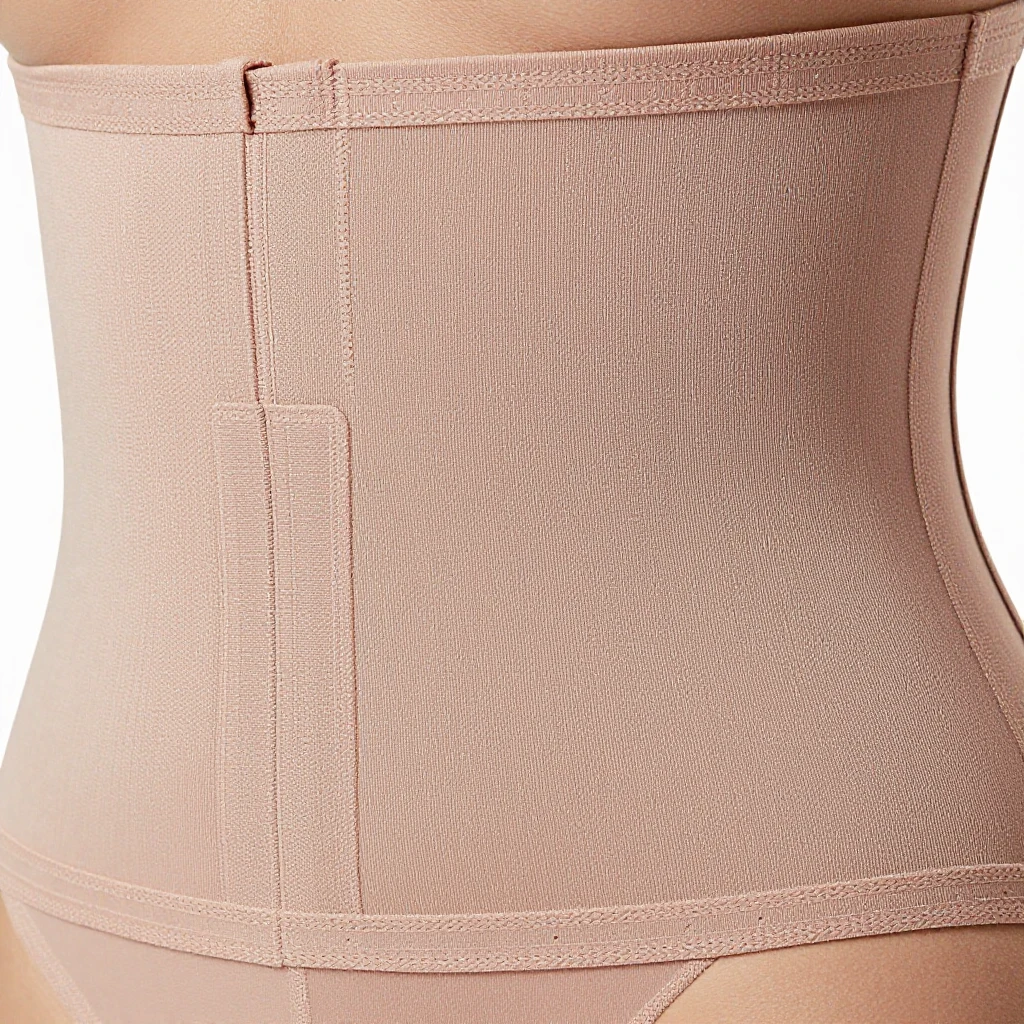
Choose shapewear by matching its fit, coverage, and level of compression to the outfit and activity. A comfortable garment should stay in place and let you breathe, sit, and move without needing constant adjustment.
Start with the clothing you plan to wear. High-waisted shaping shorts may suit a fitted dress, while a smoothing camisole can work beneath a blouse. For a skirt or lightweight fabric, consider whether the hem, color, and seams might show. If you need a layer for movement, test it in the positions you will use: walk, sit, reach, and bend before committing to a long day.
- Check the size chart. Use your measurements and the brand’s guidance rather than sizing down to seek extra compression. A smaller size can dig in, roll, or restrict movement.
- Choose coverage for the outfit. Match the garment’s waist, leg length, and neckline to the clothing above it, and check where edges may land.
- Assess pressure and fabric. Look for stretch that feels supportive rather than painful. Breathable fabric and flat or seamless construction can help with comfort, but neither guarantees a perfect fit.
- Test your range of motion. Sit, walk, and bend. If the garment slips, pinches, or makes breathing uncomfortable, try another size or style.
- Follow care instructions. Gentle washing and suitable drying help preserve stretch; heat and rough handling can wear elastic fibers over time.
Fit should feel secure, not punishing. Shapewear is not a medical solution, and discomfort is not proof that a garment is working. If you have a health concern or need a medically prescribed compression garment, seek advice from a qualified healthcare professional rather than relying on ordinary fashion shapewear.
Frequently Asked Questions
How is modern shapewear different from a corset?
Modern shapewear generally uses stretch fabrics and flexible construction to smooth or shape selected areas. Traditional corsets used firmer panels, boning, and lacing to create a more structured fit. The garments differ in materials, construction, and typical ease of movement.
Can shapewear be comfortable for all-day wear?
It can be, if the size, compression, and fabric suit your body and activities. Choose a comfortable level of hold, follow the size chart, and take the garment off if it causes pain, numbness, or trouble breathing.
What should I look for in activewear-inspired shapewear?
Look for flexible stretch fabric, secure but comfortable waistbands, and seams or panels that do not rub during movement. If you plan to exercise in it, make sure the product is designed for workouts rather than assuming every shaping garment functions as activewear.
How should shapewear fit?
Shapewear should lie smoothly against your body without cutting into skin, rolling excessively, or restricting normal movement. Use the brand’s size chart, then test the garment while sitting and moving before wearing it for an extended period.