Sustainable Activewear: Brands That Combine Style and Eco-Friendliness
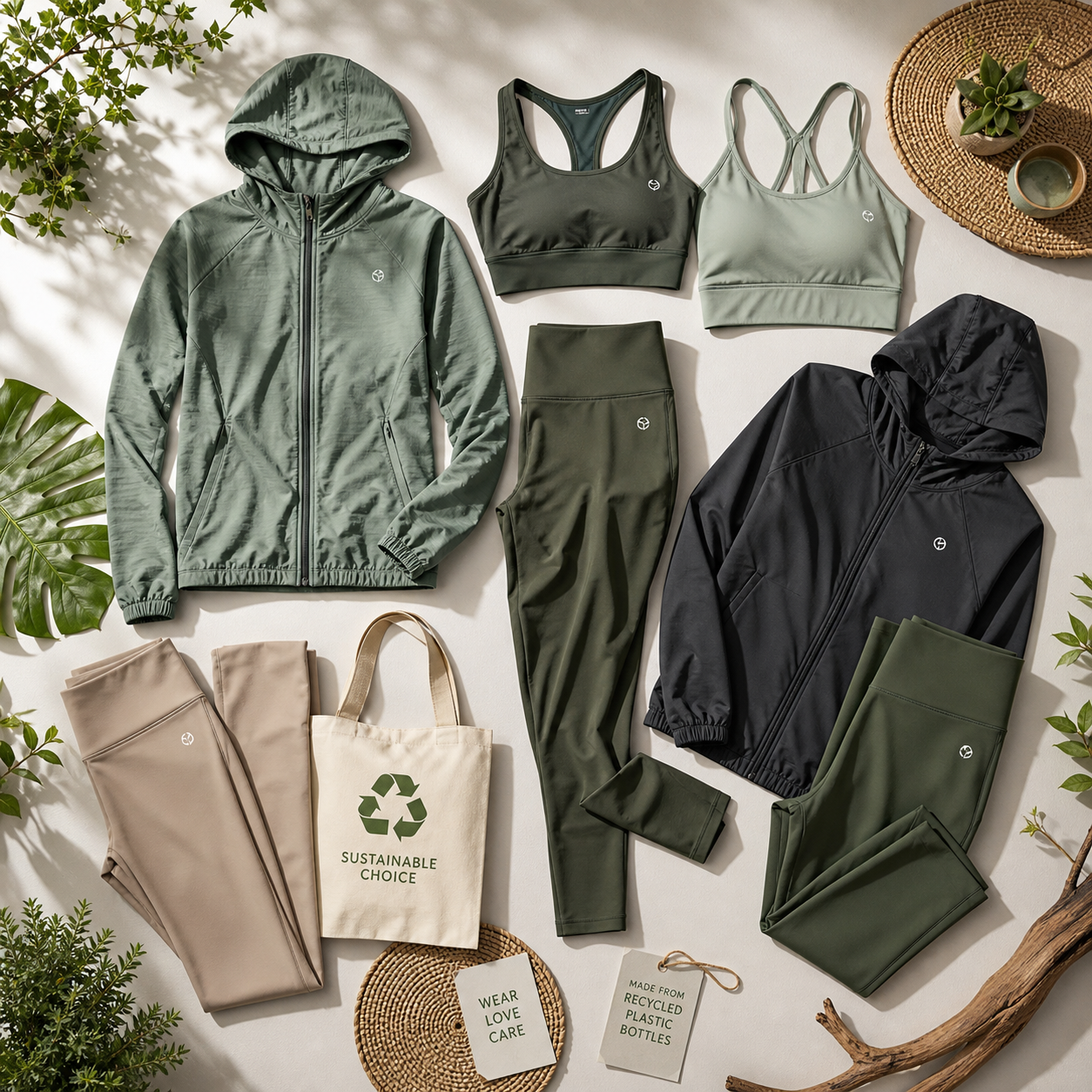
Sustainable activewear makes it easier to choose workout clothing that feels good, performs well, and creates less avoidable impact. The strongest options combine recycled or plant-based fabrics with durable garment construction, responsible production, transparent sourcing, and designs you will wear repeatedly.
That balance matters because a low-impact material cannot compensate for poor fit, short product life, or a garment left unused in the back of the wardrobe. This guide explains what to look for in an activewear shop, how leading brands approach sustainability, and how to care for yoga, running, training, and everyday pieces.
What Makes Activewear Sustainable?
Sustainable activewear considers a garment’s full life cycle: materials, manufacturing, packaging, useful lifespan, care, repair, and end-of-life options. No single label proves that a product is environmentally perfect, so compare several specific signals before buying.
Start with the fiber content. Recycled polyester can reduce reliance on virgin petroleum-based fibers, while organic cotton and Tencel™/lyocell offer plant-based alternatives for selected garments. Fiber choice still depends on performance requirements. A fabric that absorbs moisture comfortably for casual wear may feel heavy during an intense running session.
Manufacturing also matters. Look for brands that explain where garments are cut and sewn, how suppliers are monitored, and whether workers receive fair labor protections. Terms such as ethical manufacturing are useful only when supported by clear information about factories, audits, certifications, or worker standards.
Durability is another central measure. Reinforced seams, secure waistbands, colorfast fabric, quality elastane, and careful pattern cutting can keep activewear functional through many washes. Choosing a versatile black legging or a supportive bra that works across several activities may reduce the need for additional purchases.
- Packaging: Prefer minimal, recycled, recyclable, or reusable packaging where practical.
- Transparency: Check whether the brand names fibers, factories, certifications, and care requirements.
- End of life: Look for repair services, resale programs, take-back schemes, or recycling guidance.
- Product life: Consider construction quality, warranty terms, and whether replacement parts or repairs are possible.
The most useful mindset is simple: judge the product, the company, and your likely use together. Buying a durable item you wear twice a week usually has more practical value than buying several supposedly greener pieces that do not suit your routine.
Sustainable Fabrics to Look For in Workout Clothing
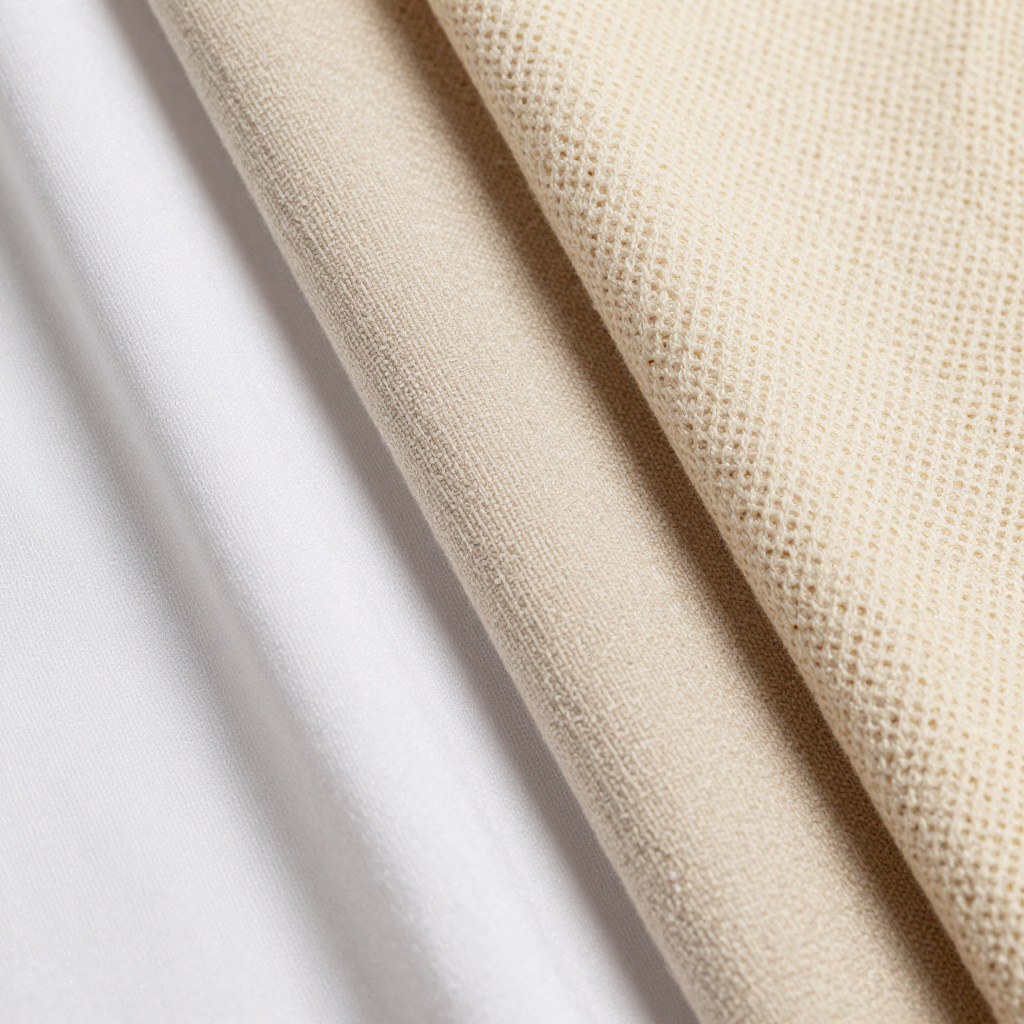
Recycled polyester, organic cotton, and Tencel™/lyocell are useful sustainable fabric options, but they serve different purposes. The best choice depends on moisture management, stretch, breathability, activity level, and care needs.
Recycled polyester
Recycled polyester is common in leggings, running tops, jackets, and sports bras because it can provide strong shape retention, quick drying, and reliable moisture-wicking performance. It is often made from recycled plastic materials, including post-consumer bottles, although the exact source varies by product.
Its limitation is that it remains a synthetic fiber and can release microfibers during washing. A recycled polyester garment may also include elastane for stretch, which complicates fiber recycling at the end of its life. Choose it when technical performance and durability are important, then wash it thoughtfully.
Organic cotton
Organic cotton feels soft, breathable, and comfortable for low-impact exercise, warm-ups, travel, and everyday wear. It works particularly well in relaxed tops, sweatshirts, and lightweight layers. Organic cultivation standards can address farming inputs and soil management, but the finished garment still needs responsible processing and manufacturing.
Cotton absorbs moisture rather than moving it away quickly, so it may feel damp during long runs or high-intensity gym sessions. Blended fabrics can improve stretch and drying time, though blends may be harder to recycle.
Tencel™ and lyocell
Tencel™ is a branded form of lyocell and is valued for its smooth hand feel, drape, and breathability. It suits lightweight tops, lounge-to-studio layers, and casual activewear. Lyocell fibers are made from wood pulp through a managed manufacturing process, but the product’s sustainability depends on the specific supply chain and blend.
It may not offer the compression or abrasion resistance needed for every legging or training short. Read the fabric description rather than assuming that a plant-based fiber automatically performs best for every workout.
Low-impact dyes can reduce certain chemical and water pressures, but vague wording deserves caution. Look for an explanation of the dye process or a recognized standard. Across all fabrics, the most responsible decision is usually the one that gives you the right comfort and performance so the garment remains in regular use.
How Sustainable Activewear Brands Combine Style and Performance
Sustainable activewear brands combine style and performance through versatile silhouettes, technical fabric placement, flattering fits, and details designed for repeated wear. The result should work during exercise and still look appropriate for commuting, errands, or layering.
Good design begins with the activity. Yoga leggings need a comfortable waistband, four-way stretch, and seams that do not distract during movement. Running apparel benefits from lightweight moisture-wicking fabrics, secure pockets, reflective details, and layers that manage changing temperatures. Gym training often calls for squat-proof coverage, abrasion resistance, supportive construction, and freedom of movement.
Style does not require excessive decoration. A small, coordinated wardrobe of neutral colors plus one seasonal shade can create more outfits with fewer pieces. High-rise leggings, a supportive sports bra, a breathable tank, and a recycled-fabric overshirt may cover studio sessions, travel, and casual weekends.
- Fit: Check whether the waistband stays secure without digging in and whether fabric remains opaque during movement.
- Function: Look for flat seams, gussets, zip pockets, adjustable straps, and ventilation where they genuinely help.
- Layering: Combine moisture-wicking base layers with breathable mid-layers and weather-resistant outerwear.
- Versatility: Prioritize colors and cuts that work across workouts and everyday outfits.
A useful test is the “three-setting rule”: before buying, ask whether you would wear the item for its intended workout, a practical day outside the gym, and at least one layering combination. If the answer is yes, the design has a better chance of earning its place in a smaller, longer-lasting wardrobe.
Brands to Consider for Eco-Friendly Activewear
The best eco-friendly activewear brand is the one that combines credible material information, responsible production evidence, durable design, and a product range suited to your activities. Compare brands by the same criteria rather than relying on a sustainability slogan or a single fabric claim.
When browsing an activewear shop, consider established examples such as Patagonia, Girlfriend Collective, tentree, Organic Basics, and Boody. Their collections and policies change, so assess the specific product page for current fiber content, factory information, certifications, and care instructions.
- Patagonia: Often considered by shoppers seeking repair-minded ownership, recycled materials, and detailed supply-chain information. Its outdoor focus can be useful for durable layers, although technical products may cost more.
- Girlfriend Collective: Known for inclusive sizing and collections using recycled or regenerated fibers in selected products. Check each item because material compositions and performance features differ.
- tentree: Offers casual activewear and everyday layers with a focus on lower-impact materials and environmental initiatives. It may suit shoppers building versatile, light-to-moderate activity wardrobes.
- Organic Basics: Appeals to customers who value minimalist designs and selected lower-impact fibers. Its understated styling works well for layering and everyday wear.
- Boody: Uses bamboo-derived viscose in many soft basics and underwear-inspired active pieces. Review the product’s exact construction and intended activity, since softness does not automatically mean high-intensity performance.
These examples should be treated as starting points, not a universal ranking. A brand with strong recycled-fiber credentials may still use blended construction that is difficult to recycle. Another may offer excellent repair support but fewer compression options. For broader textile guidance, the U.S. Federal Trade Commission’s Green Guides explain why environmental marketing claims should be specific and substantiated.
How to Choose the Right Sustainable Activewear
To choose sustainable activewear, match the garment to your activity, test the fit and fabric performance, verify the brand’s claims, and estimate how often you will wear it. A simple purchase checklist prevents attractive but unsuitable products from becoming expensive wardrobe clutter.
- Define the activity. Choose soft, flexible layers for yoga; breathable, moisture-wicking pieces for running; supportive and abrasion-resistant garments for gym training; and comfortable, versatile cuts for casual wear.
- Check support and coverage. Sports bras should match your comfort and movement needs. Leggings should stay in place, remain opaque when stretched, and avoid seams that rub.
- Read the fiber composition. Identify recycled polyester, organic cotton, Tencel™/lyocell, elastane, and any coatings. Blends can improve performance but may reduce recyclability.
- Inspect construction. Look for even stitching, reinforced stress points, stable elastic, smooth seams, and fabric weight appropriate to the garment.
- Investigate transparency. Search for named factories, manufacturing locations, fair labor policies, certifications, and explanations of low-impact dyes or packaging.
- Calculate cost per wear. A $90 pair worn 90 times costs $1 per wear; a $45 pair worn 10 times costs $4.50 per wear. This is not a sustainability score, but it clarifies long-term value.
Be careful with three common shopping mistakes. Buying solely because a label says “eco” ignores construction and transparency. Choosing natural fibers for every workout can lead to discomfort when cotton stays wet. Finally, buying a cheaper item that loses shape after a few washes may create more replacement demand than a well-made, repairable alternative.
Caring for Sustainable Activewear
To care for sustainable activewear, wash it less aggressively, use cool water, avoid unnecessary heat, and follow the garment label. Proper care preserves stretch and moisture-wicking performance while helping reduce microfiber release and extending useful life.
- Air garments after light use instead of washing them automatically, provided they are dry and odor-free.
- Turn leggings and technical tops inside out, close zippers, and use a cool, gentle cycle.
- Wash synthetic activewear in a laundry bag designed to capture fibers where appropriate, without treating the bag as a complete solution.
- Skip fabric softener, which can coat technical fibers and reduce moisture management.
- Air-dry whenever possible; repeated high heat can weaken elastane and shorten garment life.
- Repair loose seams, small holes, or stretched waistbands early instead of discarding the garment.
Do not store damp clothing in a gym bag. Let it dry fully first, then fold or hang it in a ventilated space. These small habits support circular fashion because keeping an item usable for longer delays replacement and makes repair, resale, donation, or textile recycling more realistic.
Frequently Asked Questions
What is the most sustainable material for activewear?
There is no single most sustainable material for every activewear product. Recycled polyester often suits high-performance garments, organic cotton works well for breathable casual layers, and Tencel™/lyocell can provide a soft option for studio and everyday pieces. Durability, responsible processing, and long-term use matter as much as fiber type.
Is recycled polyester suitable for workouts?
Yes. Recycled polyester can provide moisture-wicking, quick-drying, lightweight performance for running, training, and outdoor activity. It remains synthetic and may release microfibers, so cool washing, air-drying, and careful garment care are sensible.
How can I tell whether an activewear brand is genuinely sustainable?
Look for specific information about materials, factories, worker standards, dyeing, packaging, product durability, and end-of-life support. Vague claims without evidence should carry less weight than detailed, product-level transparency.
Is sustainable activewear worth the investment?
It can be worth the investment when the garment fits well, performs for your activity, and remains in use for many seasons. Compare expected wears, construction quality, repair options, and comfort rather than judging value by the purchase price alone.
How should sustainable workout clothes be washed?
Follow the care label, use cool water and a gentle cycle, avoid fabric softener, and air-dry when possible. Washing only when needed and repairing minor damage can preserve performance and extend the garment’s life.