How Shapewear Can Boost Your Confidence in Any Outfit
There's a moment most women know well — you put on an outfit, look in the mirror, and something just clicks. You feel pulled together, comfortable in your skin, ready to walk into any room. Shapewear, when chosen thoughtfully, can be the quiet reason that moment happens more often.
Why Confidence Starts With How You Feel, Not Just How You Look
Confidence is rooted in physical comfort and mental ease, not just appearance. When you feel secure and at ease in what you're wearing, that ease shows up in how you carry yourself, how you engage with others, and how much mental energy you have left over for the things that actually matter.
Shapewear works on both levels. Yes, it shapes your silhouette — but more than that, it removes a layer of self-consciousness. When you're not tugging at fabric, adjusting your waistband, or worrying about how something sits, you're free to just be present.
This is the empowerment angle that often gets missed in conversations about shapewear. It's not about conforming to an ideal. It's about wearing something that supports how you want to feel. That's a choice — and choices made from that place tend to feel good.
What Shapewear Actually Does for Your Silhouette
Shapewear smooths, compresses, and supports the body to create a more streamlined appearance under clothing. The functional benefits go beyond aesthetics: compression fabric gently holds the midsection, hips, or thighs in place, reducing the micro-movements and fabric friction that can make an outfit feel sloppy or uncomfortable throughout the day.
The smoothing effect is probably the most recognized benefit. Shapewear eliminates visible lines and uneven texture under fitted dresses, tailored trousers, or activewear, giving garments a cleaner drape. But the posture support element is underappreciated. High-waisted styles in particular engage the core and encourage a more upright stance — not by force, but by providing a gentle reminder that pays off over hours of wear.
Think of it like the difference between wearing a structured blazer versus a loose cardigan. Both are valid. But the structured option changes how you hold your shoulders, how you walk, how you're perceived — and often, how you perceive yourself.
Choosing the Right Shapewear for Your Outfit
The right shapewear depends on your outfit's cut, fabric weight, and the occasion — there's no single style that works universally. Here's a practical breakdown:
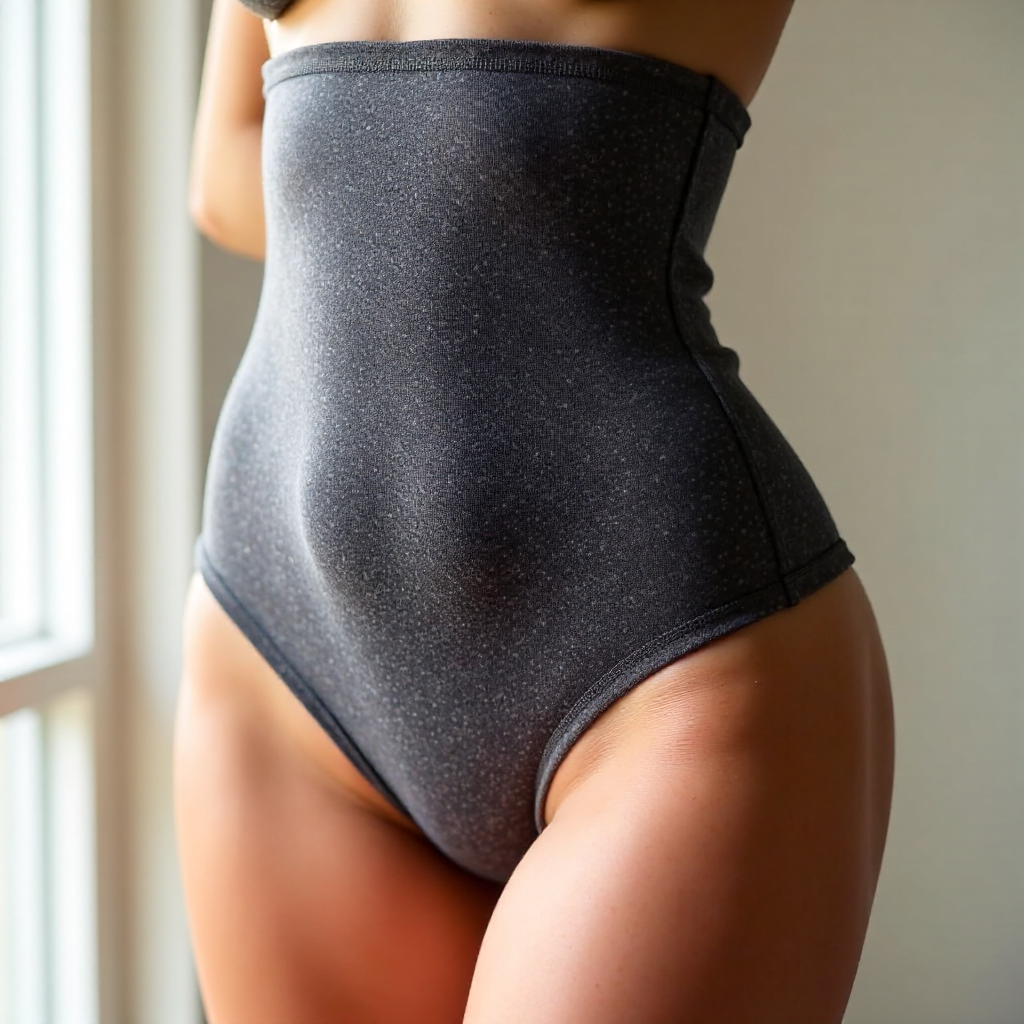
- High-waisted shorts or briefs: The most versatile option. Ideal under midi skirts, wide-leg trousers, or bodycon dresses. They smooth the midsection without adding bulk at the thigh.
- Bodysuit shapewear: Best for tucked-in tops, jumpsuits, or anything where you need a seamless torso line. Eliminates the gap that can appear between waistband shapewear and your top.
- Thigh-length shorts: A go-to under wrap dresses, A-line skirts, or anything where you want coverage and chafe prevention during warmer months.
- Strapless or low-back styles: Designed for backless gowns or off-shoulder looks — these prioritize invisibility over maximum compression.
For everyday wear, seamless designs in neutral tones are the most practical. For special occasions, you might prioritize firmer compression. The key is matching the shapewear's function to the outfit's demands, not defaulting to the most heavy-duty option available.
Shapewear and Activewear: A Powerful Combination
Compression-based shapewear and performance activewear share the same foundational technology — and that overlap is worth paying attention to. Both rely on engineered stretch fabrics that move with the body, support muscle groups, and maintain their shape through hours of activity.
Many women already wear compression leggings or fitted sports tops without thinking of them as shapewear. But the line between the two is genuinely thin. A high-waisted compression legging smooths and supports the midsection just as effectively as a traditional shaping brief — while also being designed for squats, lunges, and everything in between.
This crossover matters for the fitness-focused woman who wants her gym wardrobe to do double duty. Compression activewear worn to a morning workout can transition to a casual errand run or a coffee meeting without missing a beat. The body confidence built during a strong workout carries into the rest of the day — and the right compression garment helps maintain that feeling physically.
Comfort Is Non-Negotiable: What to Look for in a Good Fit
Good shapewear should feel supportive, not restrictive. If you're holding your breath or counting down the hours until you can take it off, it's the wrong fit — not the wrong category of garment.
When evaluating shapewear, focus on these four factors:
- Fabric composition: Look for blends that include spandex or elastane (typically 15–30%) for stretch and recovery, combined with nylon or microfiber for softness. Avoid anything that doesn't breathe.
- Seamless construction: Flat or bonded seams prevent visible lines under clothing and reduce pressure points during long wear.
- Sizing accuracy: Shapewear sizing often runs differently from regular clothing. Always check the brand's specific size chart based on measurements — not just your usual dress size.
- Compression level: Light to medium compression suits everyday wear. Firm compression is better reserved for special occasions or short-duration wear.
One honest trade-off worth naming: firmer shapewear delivers more smoothing but less breathability. Choosing lighter compression for daily wear means accepting a subtler effect — but you'll actually wear it, which makes it far more useful than a high-compression piece sitting unused in a drawer.
Building a Confidence Routine Around What You Wear
Shapewear works best as one element of a broader, intentional approach to getting dressed. Women who consistently feel confident in their clothing tend to share a few habits: they know what fits their body well, they dress with a purpose in mind, and they don't leave outfit decisions to chance.
Incorporating shapewear into a regular wardrobe rotation — rather than saving it for "special" occasions — normalizes the feeling of being well-supported in your clothes. Over time, that baseline shifts. You stop thinking about the garment and start thinking about the day ahead.
Pairing shapewear with activewear you love, outfits that suit your lifestyle, and a consistent morning routine creates a cumulative effect. It's not about any single piece of clothing. It's about building a relationship with your wardrobe where getting dressed feels like something you do for yourself.
Common Shapewear Myths — Debunked
Several persistent misconceptions keep women from exploring shapewear — or from enjoying it once they try it. Here are the most common ones, addressed directly.
"Shapewear is only for special occasions"
This is the myth that limits shapewear's usefulness most. Modern seamless designs in breathable fabrics are entirely appropriate for everyday wear — under work clothes, casual outfits, or even during light activity. The "save it for the gala" mentality comes from older, less comfortable shapewear generations. Current options are far more wearable.
"It's uncomfortable by definition"
Discomfort usually signals the wrong size or the wrong compression level — not an inherent flaw in shapewear. A properly fitted piece in the right fabric should feel like a second skin within a few minutes of wearing it. If it doesn't, try a different size or a lighter compression option before writing off the category entirely.
"Wearing shapewear means you're insecure"
This one conflates choice with insecurity. Plenty of confident women wear shapewear for practical reasons: to prevent chafing, to get a cleaner line under a specific outfit, or simply because they like how it feels. Choosing a tool that serves you is confidence, not the absence of it.
"It only works for certain body types"
Shapewear is designed to support and smooth across a wide range of body shapes and sizes. The key is finding the right style for your specific proportions — which is a fitting challenge, not a body type limitation. Most reputable brands now offer extended sizing precisely because the demand is there.
Frequently Asked Questions
Is shapewear suitable for everyday wear?
Yes, provided you choose the right style. Seamless, light-to-medium compression shapewear in breathable fabric is designed for daily use. Avoid very firm compression garments for extended everyday wear, as these are better suited to shorter durations.
Can shapewear improve posture?
High-waisted shapewear can support the midsection and encourage a more upright stance, which many wearers notice over the course of a day. It's not a medical device, but the gentle core engagement it provides has a real, if modest, effect on how you carry yourself.
How do I find the right shapewear size?
Always use the brand's measurement-based size chart rather than your standard clothing size. Measure your waist and hips, and when in doubt between two sizes, size up — shapewear that's too small will be uncomfortable and counterproductive.
Can I wear shapewear during workouts or physical activity?
Compression activewear — leggings, shorts, and fitted tops with built-in compression — is specifically designed for physical activity and functions similarly to shapewear. Traditional shapewear is generally not engineered for high-intensity movement, so for workouts, opt for purpose-built compression activewear instead.
Does wearing shapewear affect body confidence long-term?
When worn as a personal choice rather than a perceived necessity, shapewear tends to support rather than undermine confidence. The relationship is straightforward: feeling comfortable and well-supported in your clothes contributes positively to how you carry yourself. The key is approaching it as a tool you choose, on your own terms.