Breathable Fabrics: Why Material Matters in Activewear
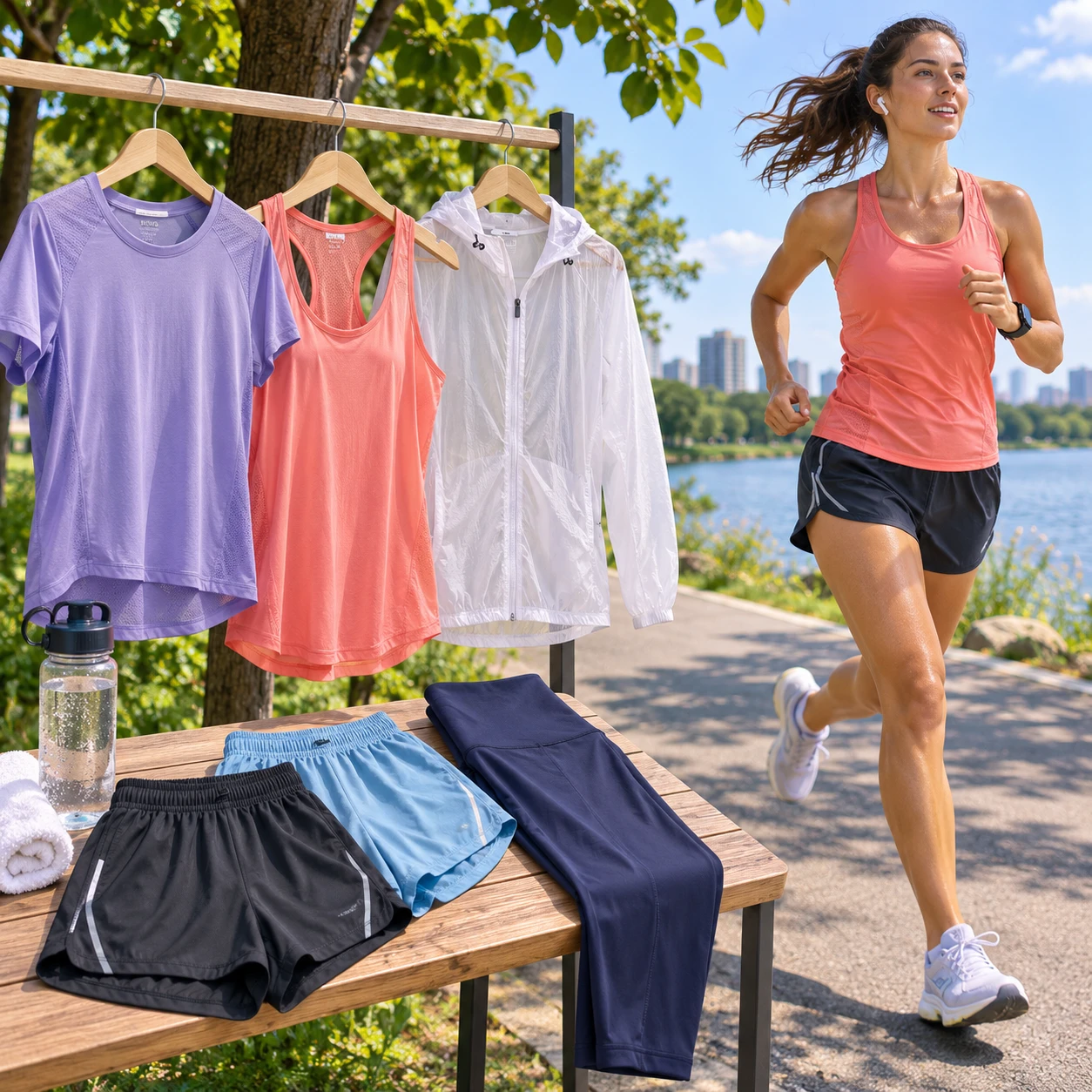
A shirt can feel comfortable when you put it on and sticky ten minutes into a workout. The difference often comes down to fabric: how easily air moves through it, what happens to sweat, and how it feels against your skin as you get warmer.
Breathability matters for more than hot-weather runs. The right activewear can make a gym session, hike, or yoga class feel more comfortable, though no fabric can guarantee you will stay cool in every condition. Understanding material properties helps you choose clothing that suits your activity and personal preferences.
What Makes a Fabric Breathable?
A breathable fabric allows heat and water vapor to move away from your body while letting some air circulate. Its structure, thickness, and fit all affect how comfortable it feels during exercise.
Breathability is not determined by a fiber name alone. A lightweight, loosely knit polyester may allow more airflow than a dense, heavy polyester garment. Fabric construction matters: open-knit structures have more space for air to pass through, while tightly woven or brushed fabrics can feel warmer.
Moisture-wicking describes a fabric’s ability to draw liquid sweat across its surface, where it may spread out and evaporate. That is related to breathability, but the terms are not interchangeable. A fabric can move sweat away from the skin yet still feel warm if it is thick or has limited airflow. Evaporation also depends on the surrounding humidity and temperature.
Look at the whole garment, not just the label. A close fit, dense fabric, or layered construction can reduce ventilation. Mesh panels may increase airflow in areas that tend to get warm, such as the back or underarms, but they do not make every part of a garment equally breathable.
Why Breathability Matters During Exercise
Breathability helps heat and moisture escape from clothing, which can make exercise feel more comfortable. It does not prevent overheating or improve athletic results, and its effect depends on the workout and environment.
As exercise intensity rises, your body usually produces more heat and sweat. If sweat stays trapped against your skin, clothing may feel damp, clingy, or heavy. A fabric that allows airflow and spreads moisture can help reduce that clammy sensation, especially when conditions allow sweat to evaporate.
The benefit is practical rather than magical: comfort can make it easier to focus on your activity. But breathable clothing cannot replace shade, rest, hydration, or appropriate pacing in hot weather. High humidity also slows evaporation, so even well-designed activewear may feel wet during a demanding session.
There are trade-offs. Very open or lightweight fabrics may offer less coverage, warmth, or durability than denser materials. For cold-weather exercise, a highly ventilated top worn alone may leave you chilly once you slow down. Choose breathability in context, including the weather, your pace, and whether you will be moving continuously.
Common Activewear Fabrics Compared
Polyester, nylon, merino wool, and cotton each behave differently in activewear. The best choice depends on the garment’s construction, your workout, and whether you value quick drying, softness, warmth, or a natural fiber.
- Polyester: Common in training shirts, leggings, and running tops. It is lightweight, often quick-drying, and can be made with moisture-wicking finishes or knit structures. Polyester quality and feel vary; some versions may hold odor, and a dense polyester fabric can still feel warm.
- Nylon: Often used in leggings and fitted layers because it can feel smooth and flexible. It may offer a soft hand and good durability, but its breathability depends on fabric weight, knit, and any added stretch fibers. A thick, compressive nylon blend may retain more warmth than a looser top.
- Merino wool: A natural option used in base layers and some training garments. It can feel comfortable across a range of temperatures and is valued for managing moisture and odor. It is often pricier, and delicate garments may need gentler care than everyday synthetics.
- Cotton: Soft and familiar, cotton works well for low-sweat activities or casual wear. It absorbs moisture, which can leave it damp and heavy during long or intense workouts. Some people still prefer cotton for short sessions, especially when they dislike the feel of synthetics.
Fiber labels provide a starting point, not a complete verdict. Compare fabric weight, texture, stretch, and garment design. If possible, feel the material and check the care label before choosing.
Match Fabric to Your Workout
Choose activewear by matching fabric to exercise intensity, climate, and how much ventilation you prefer. A breathable garment should suit the session rather than follow a single rule about which fiber is best.
Use this simple decision process: first consider how much you expect to sweat, then account for the weather, and finally choose the feel and coverage you want.
- For running or circuit training: If the session is vigorous, a lightweight polyester or nylon blend with moisture-wicking construction may feel more comfortable than cotton. Look for ventilation where you tend to heat up.
- For yoga or stretching: Comfort and freedom of movement may matter more than fast drying. A soft, stretchy fabric can work well, but consider a lighter option if the studio is warm or the class is vigorous.
- For hiking or cool-weather exercise: Merino wool or a synthetic base layer can help manage moisture under other layers. Choose enough warmth for slower periods; a very light top may not feel comfortable when you stop moving.
- For hot, humid conditions: Try lightweight fabric with an open construction and a fit that allows air to circulate. Even breathable clothing can feel damp when humidity limits evaporation.
Personal preference belongs in the decision. If a fabric feels scratchy, clingy, or too revealing, its technical features may not matter to you. Test new activewear in a shorter session before relying on it for a long workout.
Other Details That Affect Comfort
Fabric is only one part of activewear comfort; weight, fit, seams, and ventilation panels also influence how clothing feels during movement. Check these details alongside the fiber content.
Fabric weight affects coverage and warmth. Lightweight material can feel airy in hot weather, while heavier fabric may offer more coverage or insulation. Weight alone does not tell you how breathable a garment is, so consider it together with the knit and fit.
A close fit can reduce loose fabric during exercise, but very tight clothing may feel restrictive or trap warmth for some people. Seams can rub during repetitive movement, especially on longer runs. Flat seams or thoughtfully placed stitching may reduce friction, though comfort still depends on garment fit and individual sensitivity.
Mesh panels add targeted ventilation, often at the back, sides, or underarms. Their placement matters: a panel can help release heat in one area without changing the feel of the whole garment. For a quick shop-floor check, hold the fabric toward a light source to get a rough sense of its openness, then stretch and feel it. This is only a clue, not a reliable laboratory test of breathability.
How to Care for Breathable Activewear
Follow the garment’s care label to help breathable activewear retain its fit and feel. In general, wash sweaty clothes promptly, use a suitable detergent, and avoid excessive heat when drying.
- Turn garments inside out and wash them with similar items, following the temperature and cycle on the care label.
- Use a measured amount of detergent. Too much can leave residue that affects how fabric feels; fabric softener may also interfere with some moisture-wicking finishes.
- Let damp workout clothes air out or wash them soon after exercise rather than leaving them crumpled in a gym bag.
- Air-dry when practical, or use the dryer setting recommended on the label. High heat can damage elastic fibers or affect shape over time.
Care needs vary by material and finish, so avoid treating every activewear item the same way. Merino wool may need a gentle cycle or other specific instructions, while some synthetics tolerate routine machine washing. The label is the safest guide.
Frequently Asked Questions
Is moisture-wicking the same as breathable?
No. Moisture-wicking moves liquid sweat across a fabric’s surface, while breathability describes how heat and water vapor can pass through the material. A garment may offer one property more strongly than the other.
Is cotton a good choice for workouts?
Cotton can suit gentle, short, or low-sweat activities if you like its soft feel. For longer or more intense exercise, it may absorb sweat and stay damp, so a quick-drying polyester, nylon, or merino option may feel more comfortable.
Which fabric is best for hot-weather exercise?
There is no universal best fabric. Look for lightweight construction, good airflow, and a fit you find comfortable. A moisture-wicking polyester or nylon garment is a common option, but climate and personal preference matter.
How can I tell if activewear is breathable?
Check for lightweight or open-knit construction, ventilation details such as mesh panels, and product information about moisture management. Fabric feel and construction are useful clues, but performance varies by garment, so comfort during a short trial is the most practical test.